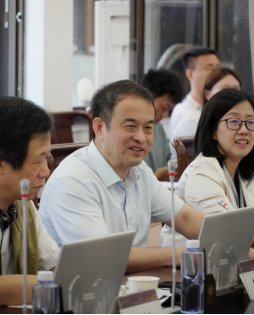
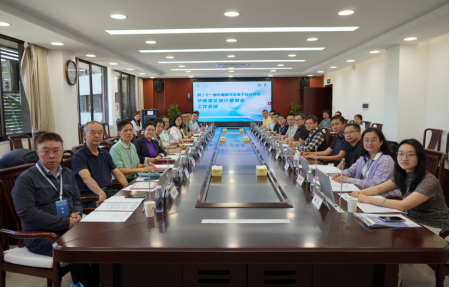
The working conference of the Organizing Committee of the 21st China Graduate Electronics Design Contest (South China Division) was held at Shenzhen University on April 25. Zhou Hui, Vice Principal of Shenzhen University, Professor Yin Ruixiang from the School of Electronic and Information Engineering, South China University of Technology, Yang Yiping from the Contest Secretariat of the Chinese Institute of Electronics, and more than 20 experts and committee members from universities in South China attended the meeting. The conference was chaired by Zhang Peichang, Deputy Dean of the College of Electronics and Information Engineering, Shenzhen University. Focusing on contest organization, competition system reform, experience review, and competition preparation, the meeting laid a solid foundation for the high‑standard and high‑quality delivery of the contest.
At the beginning of the Committee, Vice Principal Zhou Hui introduced Shenzhen University’s achievements in high‑quality development. He noted that the university has steadily improved its academic strength, discipline development and research capabilities. Supported by sufficient resources, Shenzhen University has intensified basic research, strengthened research teams, and made breakthroughs in key technologies. Adhering to the fundamental task of fostering virtue through education, the university has refined its postgraduate training system, aligned with the industrial demands of the Guangdong‑Hong Kong‑Macao Greater Bay Area, and deepened industry‑education integration and science‑education coordination. Responding to the new development plan and the artificial intelligence industry trend, the university has accelerated interdisciplinary integration, fostered new quality productive forces, built innovation and practice platforms, and enhanced postgraduates’ innovative and practical capabilities. The CGEDC, he stressed, is a key platform for cultivating scientific and technological talents, and Shenzhen University will collaborate with peer universities to ensure a successful contest.
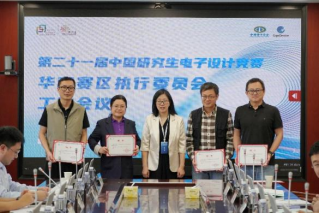
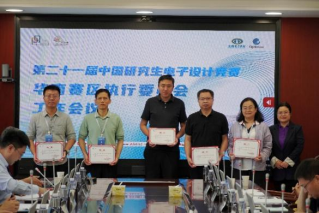
During the meeting, appointment certificates were issued to 他the consultant, vice chairpersons and committee members of the Organizing Committee. Principal Zhou presented the certificate to Professor Yin Ruixiang, Chief Consultant of the South China Division. Yang Yiping issued certificates to vice chairpersons, and Zhou Haojiang presented certificates to committee members. The expanded organizing committee will strongly boost the high‑quality development of the contest.



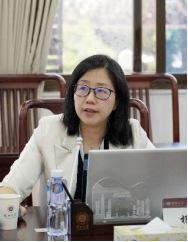
Yang Yiping from the Contest Secretariat of the Chinese Institute of Electronics reviewed the 30‑year achievements and operation of the contest, and interpreted the reform and implementation rules of the artificial intelligence track. Based on historical data, she summarized the industry‑education integration mechanism, demand‑oriented proposition system, overall arrangement of the 21st contest and organization of the South China Division. She also analyzed the contest’s role in talent cultivation, industry‑education collaboration and technology commercialization, with a focus on the optimized competition rules, evaluation system and expert team plan for the AI track.

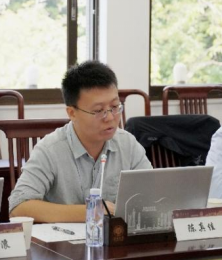
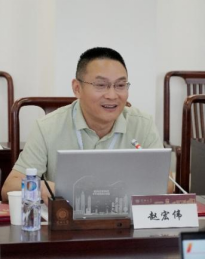
Professor Chen Zhenjia, Deputy Dean of the School of Information and Communication Engineering, Hainan University, and Zhao Hongwei, Deputy Director of the Graduate Affairs Office, Guilin University of Electronic Technology, shared their experience in hosting and organizing the 20th contest (South China Division). As the host of the 20th contest, Chen Zhenjia reviewed the whole process from preparation, review arrangement, on‑site evaluation to existing challenges. Zhao Hongwei introduced Guilin University of Electronic Technology’s practices in contest promotion, innovation training, publicity, management and incentive mechanisms.
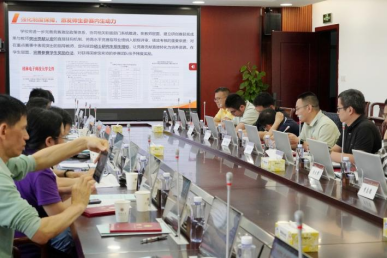
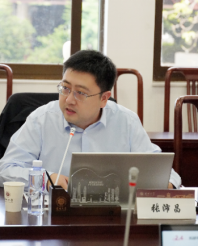
Zhang Peichang, Deputy Dean of the College of Electronics and Information Engineering, Shenzhen University, reported the overall preparation progress. He introduced the university’s solid foundation in education, research platforms and contest experience. The university will strengthen promotion to expand participation, scientifically arrange venues considering the local climate, and improve supporting services. The meeting confirmed the contest schedule and set up task forces to ensure orderly execution. Zhang expressed gratitude to the chief consultant and sister universities for their support.
Chief Consultant Professor Yin Ruixiang noted that the South China Division enjoys great potential. He called for wider coverage and larger participation, and stressed strengthening postgraduates’ logical expression and on‑site defense skills to improve overall competition quality.
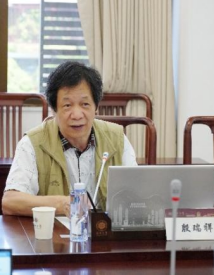
Representatives from various universities held in‑depth discussions on division development. They agreed to improve incentive policies to stimulate participation, leverage South China’s industrial advantages, and encourage participation in enterprise‑proposed tracks.
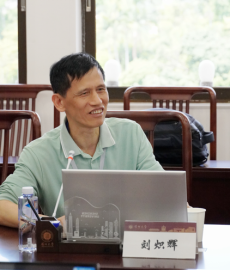
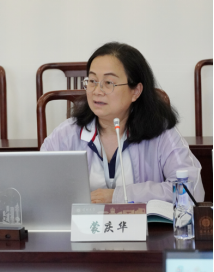
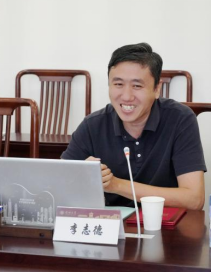
The successful convening of the conference marks that the organization of the 21st contest (South China Division) has entered a full‑scale implementation stage. Guided by the conference arrangements, Shenzhen University will mobilize participants, optimize venue services, and strengthen safeguards to deliver a high‑level contest with professionalism, care and depth. Shenzhen University is ready to work with all universities in South China to promote talent development through competition, unleash postgraduate innovation potential, and cultivate more top innovative talents for the electronic information industry in China.
(Jointly Contributed by the Graduate School & College of Electronics and Information Engineering, Shenzhen University)