On July 20, the South China Regional Final of the 21st China Graduate Electronics Design Contest (hereinafter referred to as the “Contest”) officially opened at Shenzhen University. The event brought together 122 postgraduate teams from 18 universities across South China. Focusing on the research and development of core technologies and the industrial application of innovative achievements in the field of electronic information, participating teams engaged in competitive presentations and academic exchanges, fully showcasing the outstanding research capabilities, innovative spirit, and practical competence of postgraduate students in the region.
Prof. Li Yonghua, Vice President of Shenzhen University, and Prof. Zeng Xiaoping, Secretary-General of the National Organizing Committee of the China Graduate Electronics Design Contest, attended the opening ceremony and delivered remarks. Other distinguished guests in attendance included Yin Ruixiang, Advisor to the Executive Committee of the South China Division of the 21st China Graduate Electronics Design Contest; Liu Yong, Deputy Director of the Executive Committee of the South China Division and Dean of the Graduate School of Shenzhen University; and Zhou Songyao, Secretary of the Chinese Institute of Electronics. The judging panel, participating students, and faculty representatives were also present.
The opening ceremony was presided over by Zhang Peichang, Member of the National Executive Committee of the 21st China Graduate Electronics Design Contest and Vice Dean of the College of Electronics and Information Engineering at Shenzhen University.

In his remarks, Prof. Li Yonghua noted that, throughout its 43-year history, Shenzhen University has consistently integrated collaboration between industry and education into every stage of talent development. By extending classroom learning into real-world industrial settings, the University’s educational approach closely aligns with the Contest’s commitment to addressing industry needs and emphasizing practical application.
He encouraged the participating students to enter the competition with confidence and leave with valuable experience, further strengthening their professional capabilities through competition and building a shared vision for innovation through exchange. He also called on them to make full use of the platform to demonstrate the research excellence, innovative spirit, and outstanding capabilities of postgraduate students in the new era.
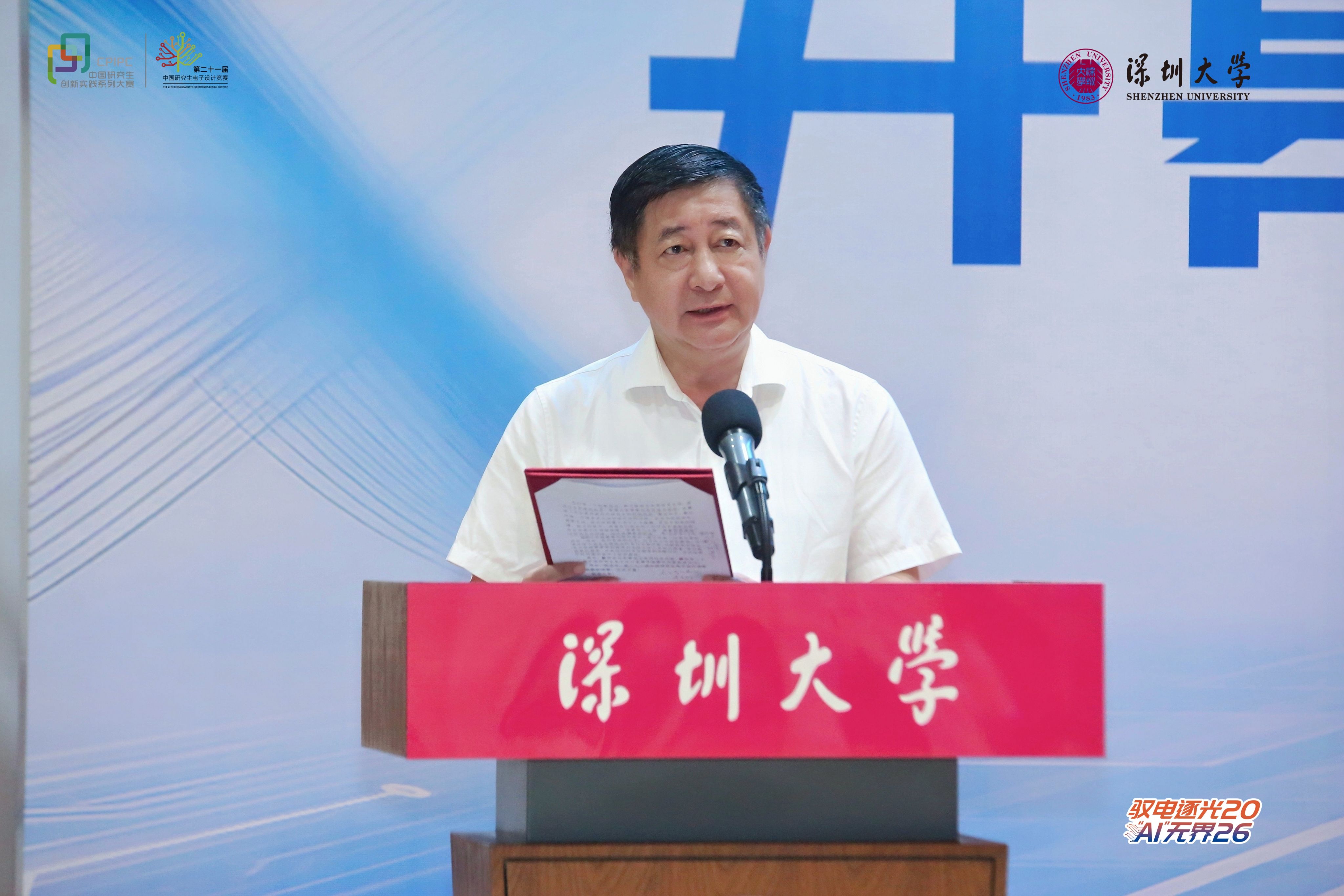
Prof. Zeng Xiaoping highlighted three key features of this year’s Contest: its record-breaking scale, its close alignment with industry needs, and its strong focus on cutting-edge technologies. He also expressed three expectations for the event: remaining true to its educational mission, strictly upholding evaluation standards, and further strengthening collaboration between industry and academia.
He encouraged the participating students to make the most of this valuable opportunity for competition and exchange, strive for outstanding results, and fully showcase the achievements of universities across South China in postgraduate education and talent development.
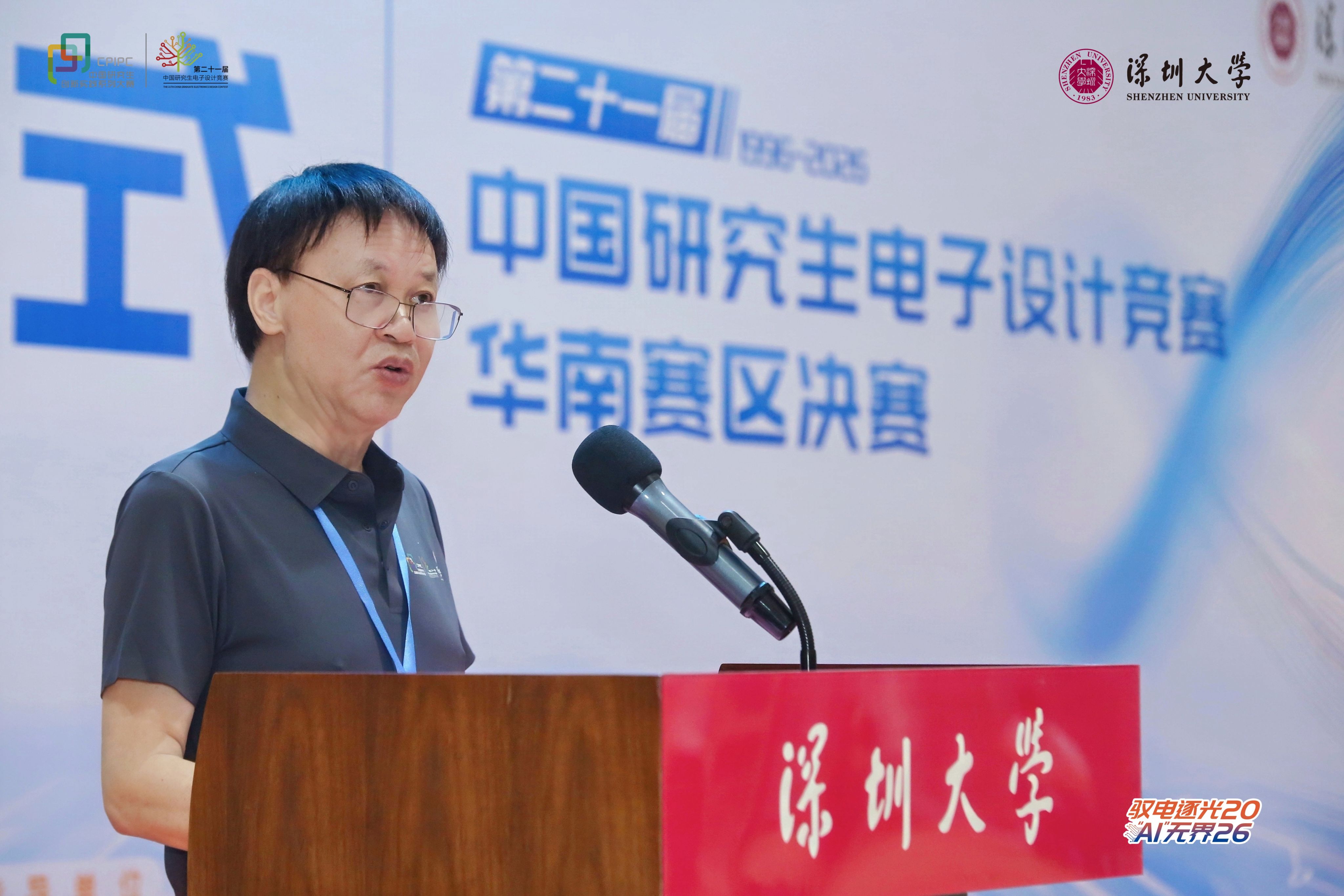
Chen Zhenjia, Vice Dean of the School of Information and Communication Engineering at Hainan University, took the oath on behalf of the judging panel.

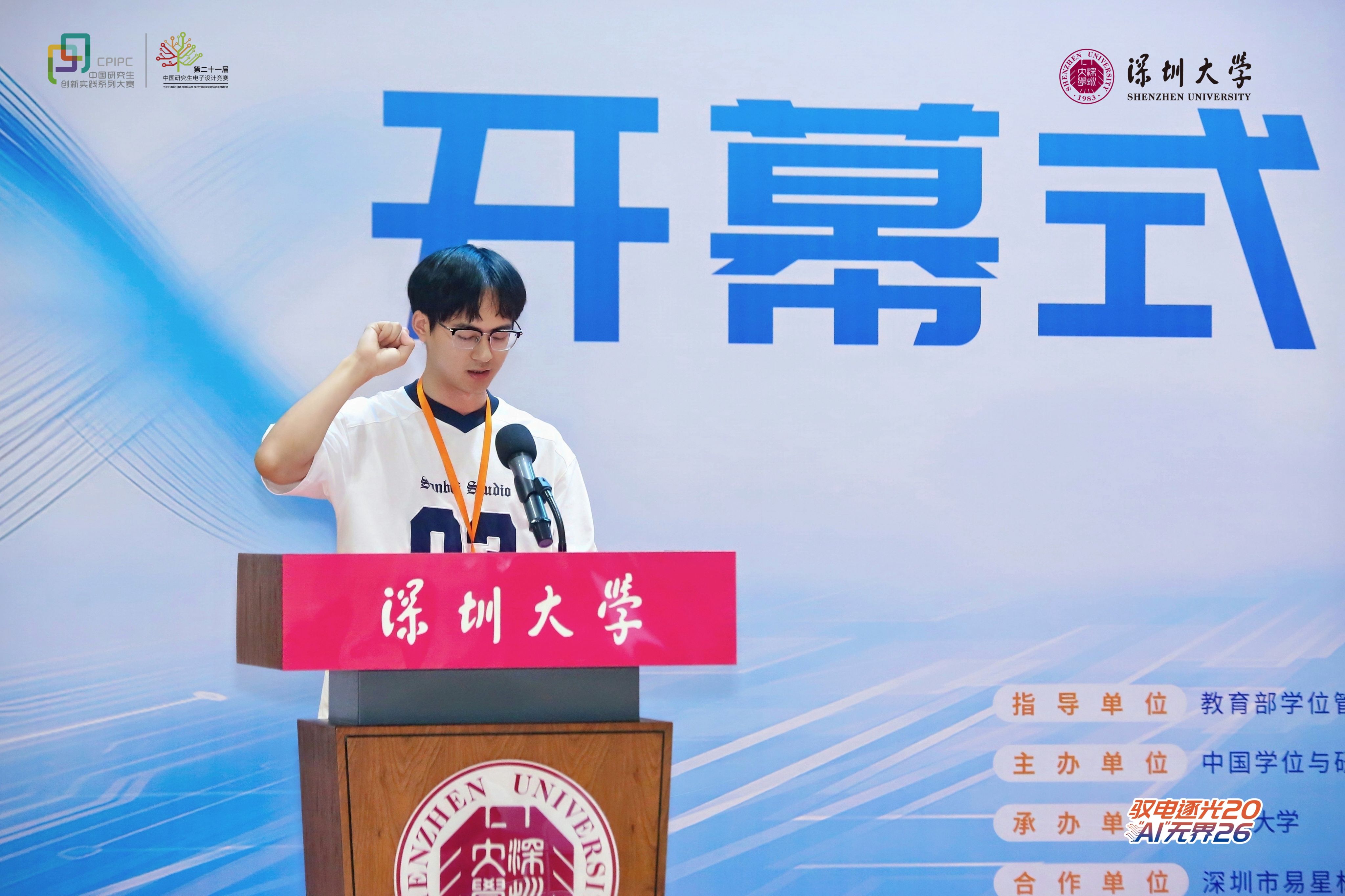
Ma Wei of Shenzhen University took the oath on behalf of the participating students.
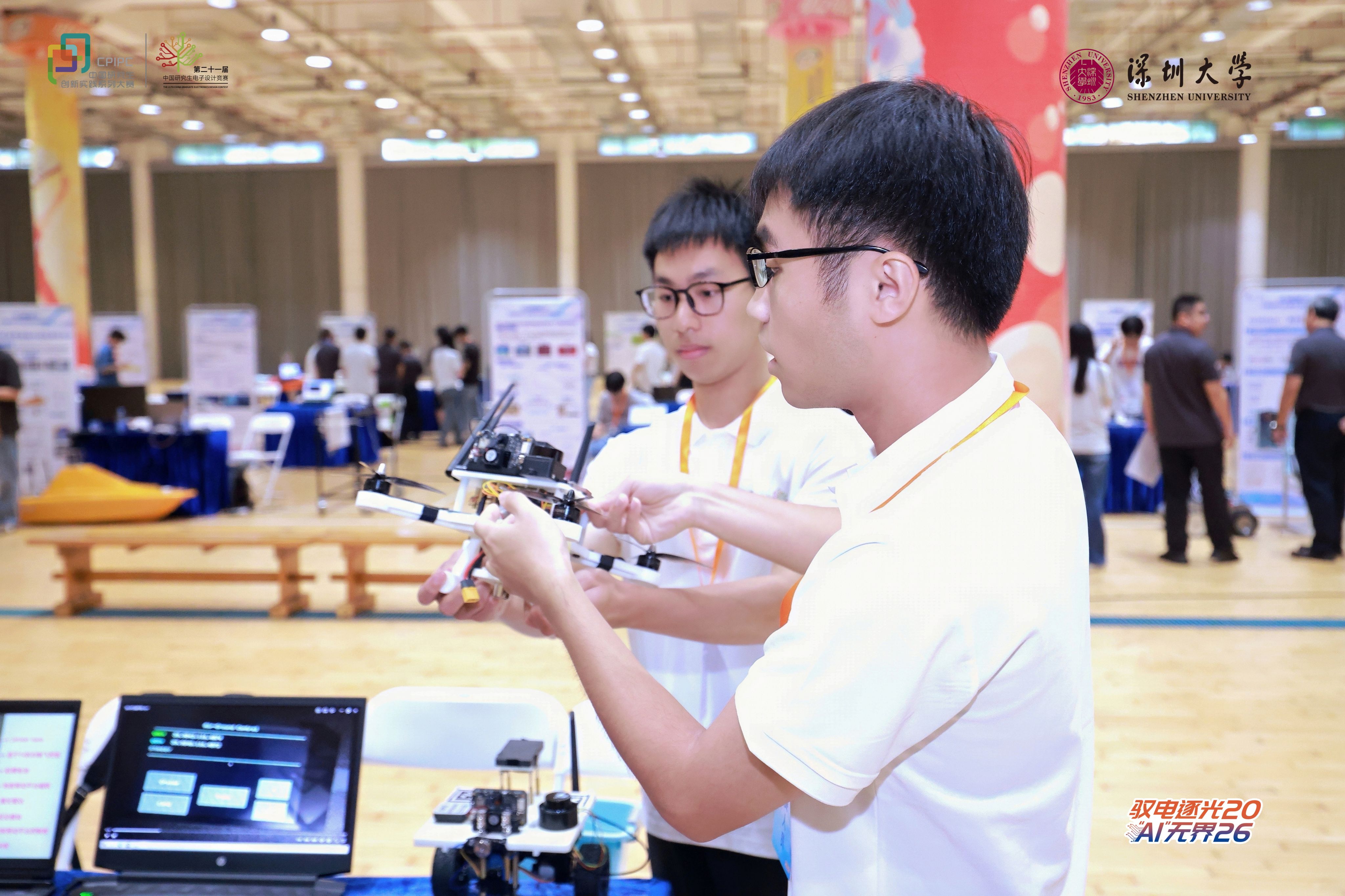
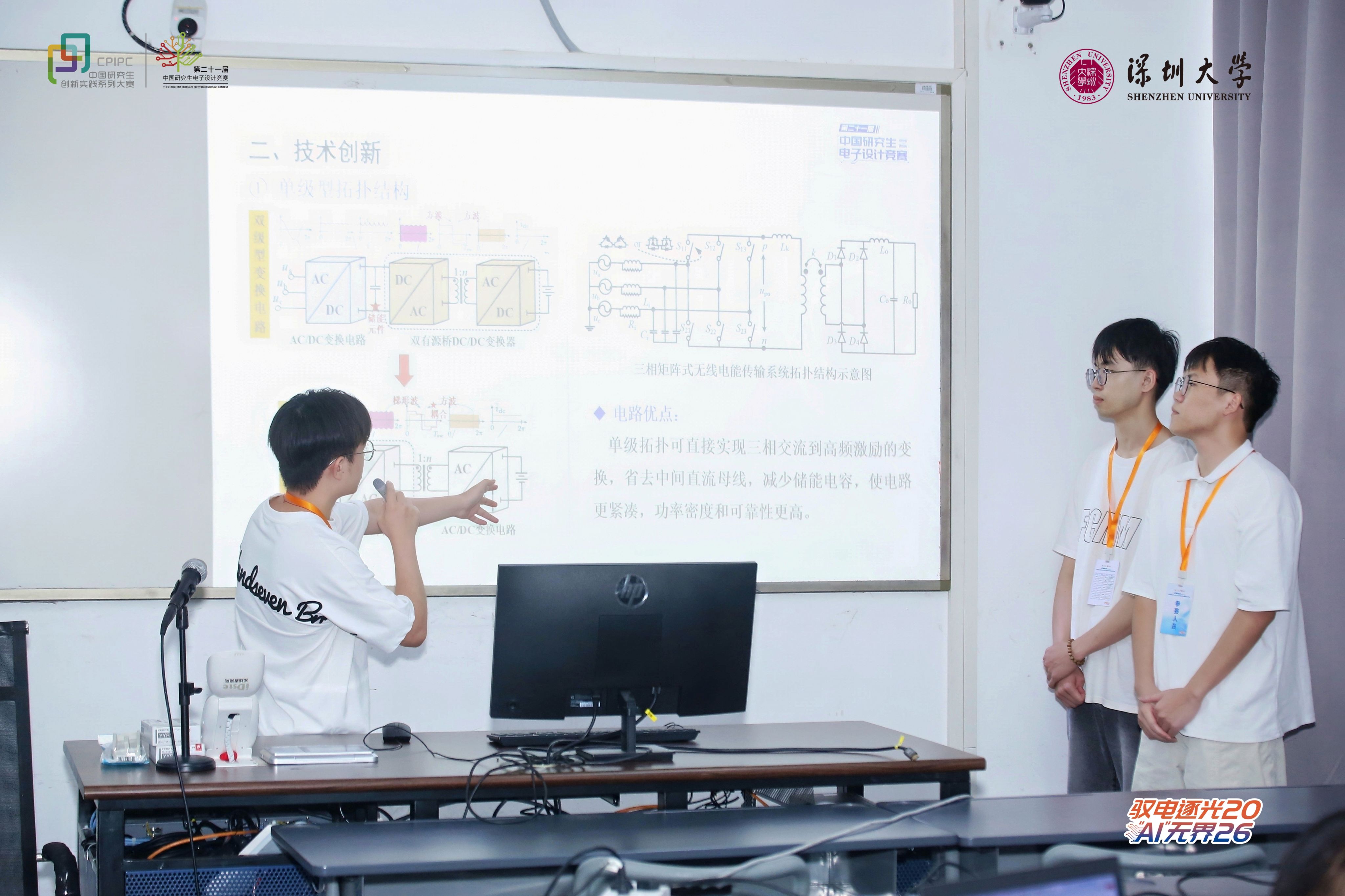
Following the opening ceremony, the project exhibition and on-site evaluation proceeded in an orderly manner. Participating teams presented the design concepts, innovative features, and potential applications of their projects through poster presentations, prototype demonstrations, and detailed technical explanations.
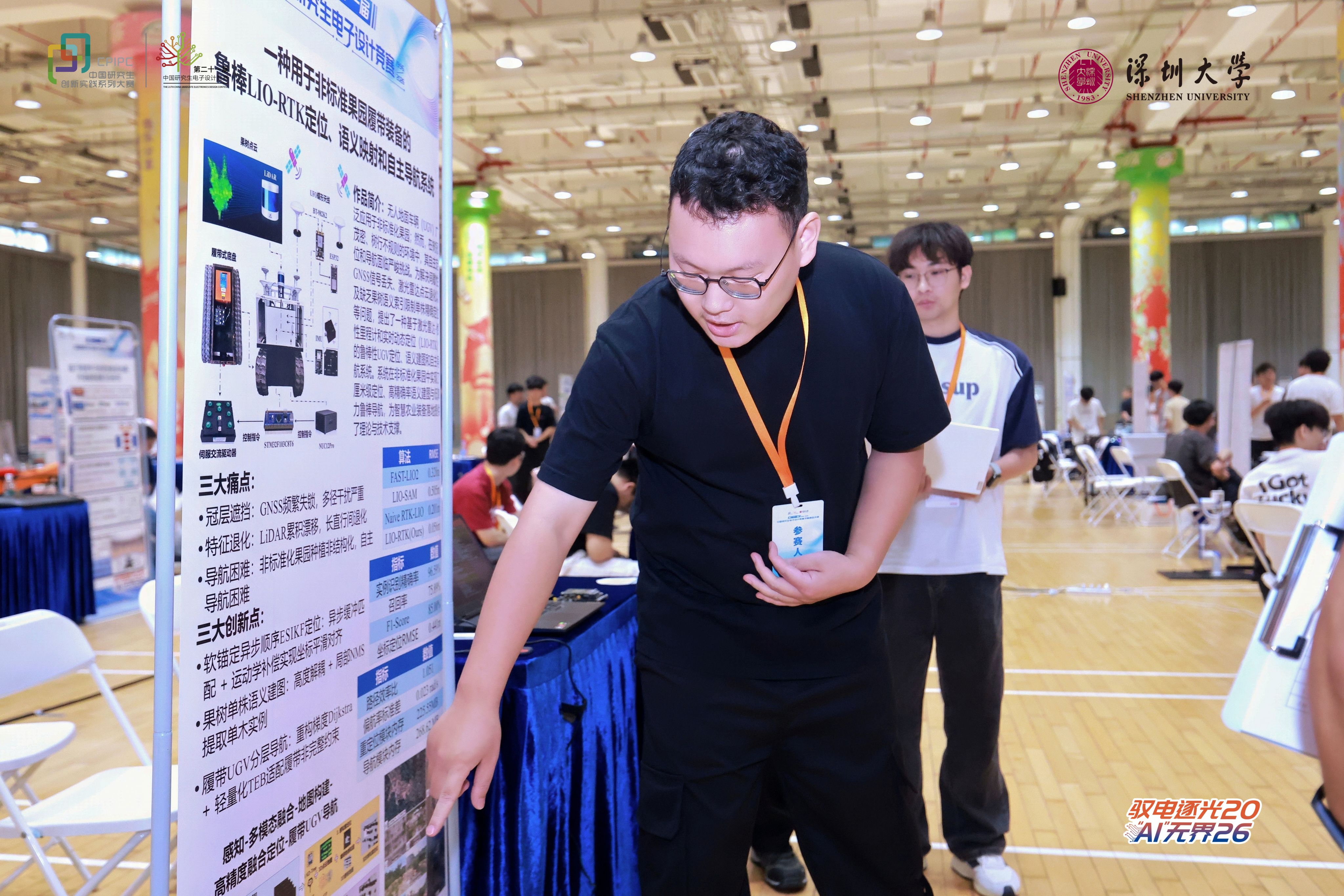

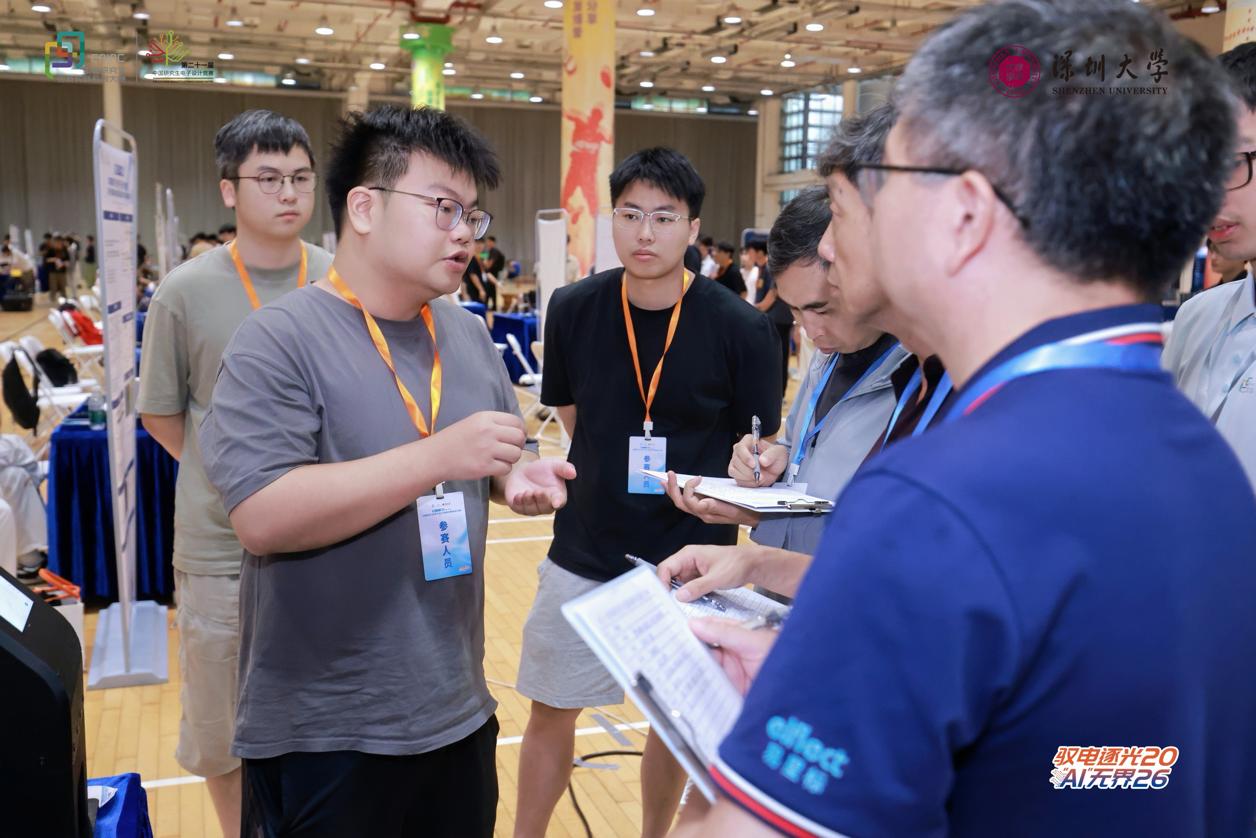
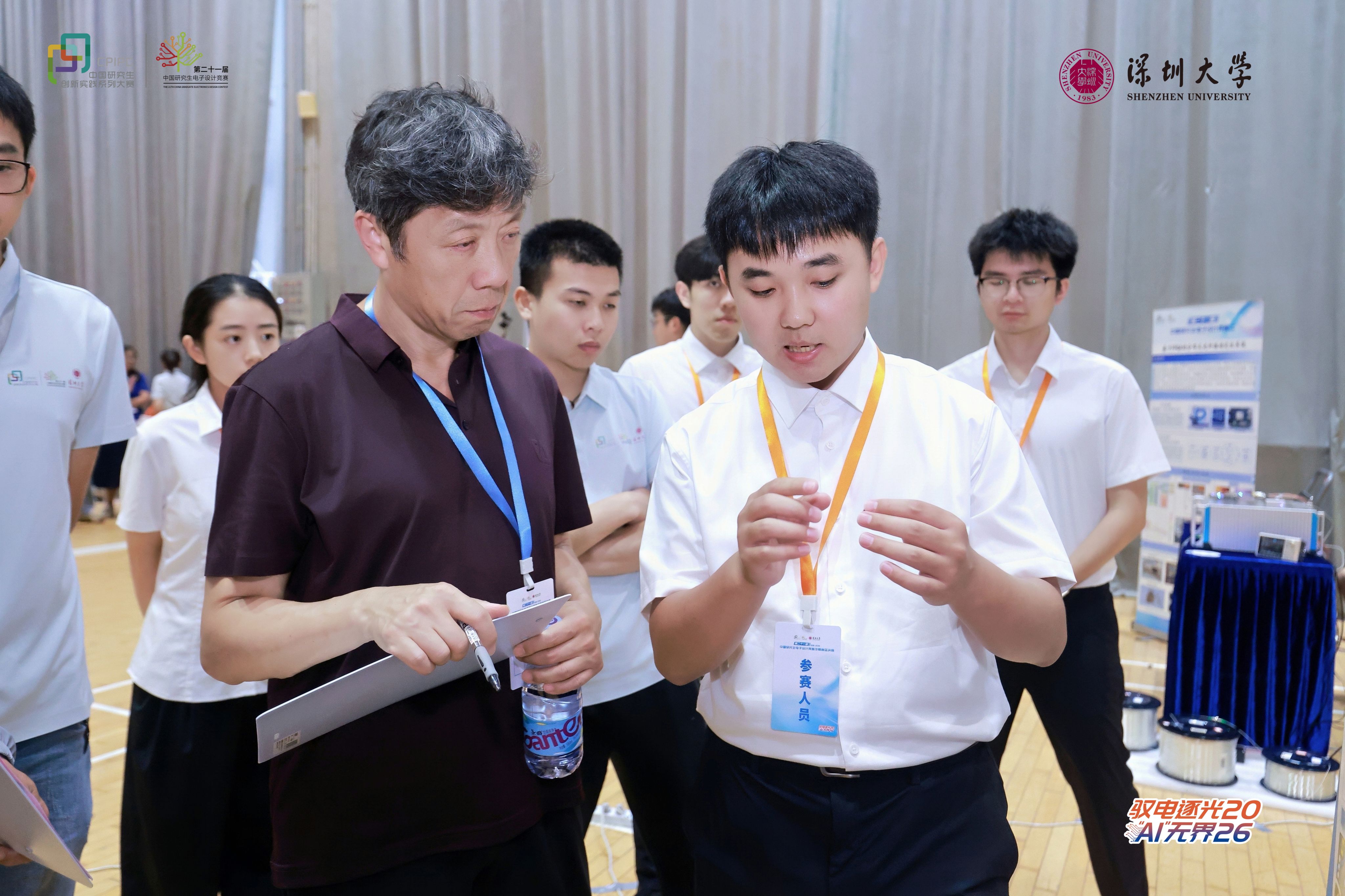

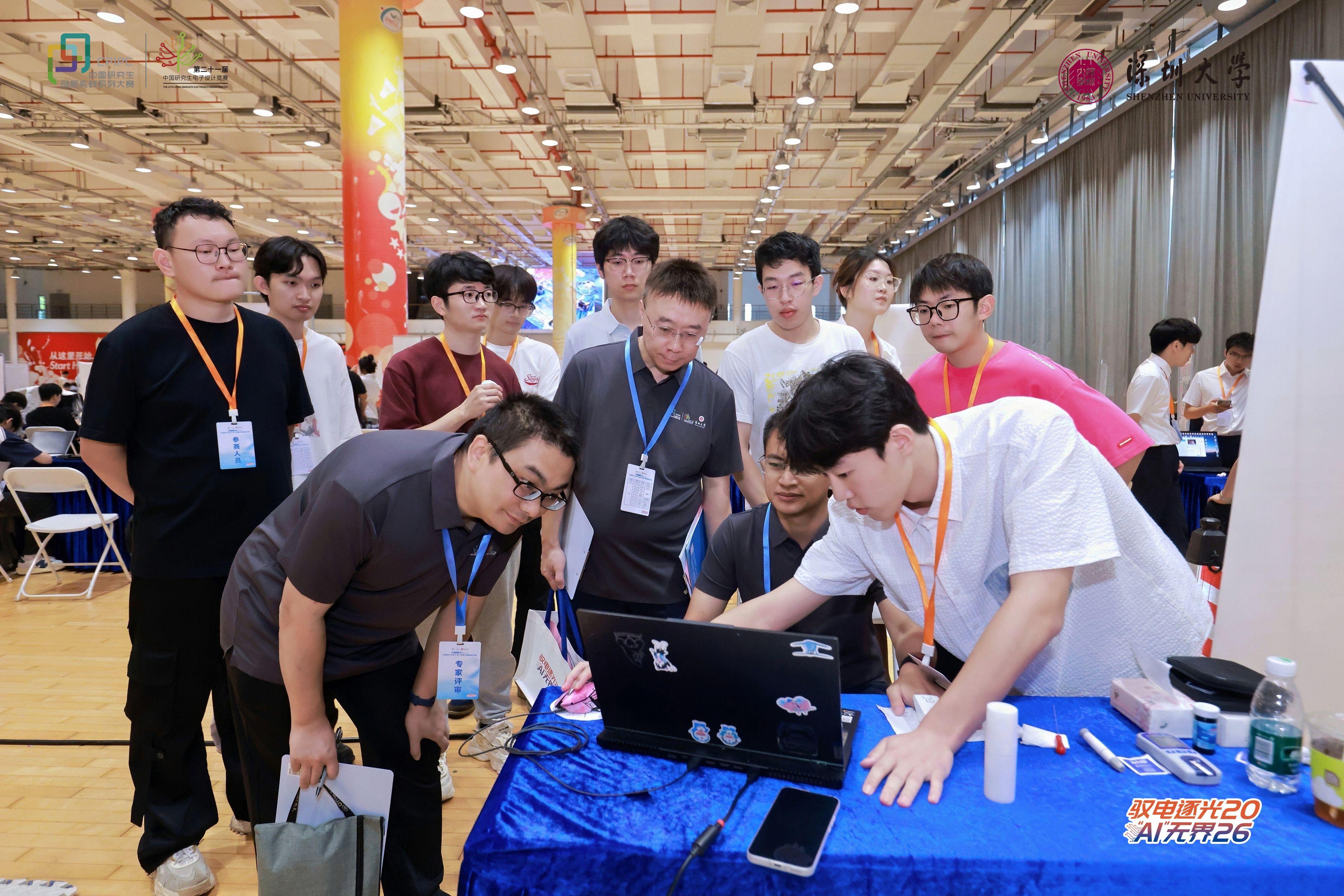
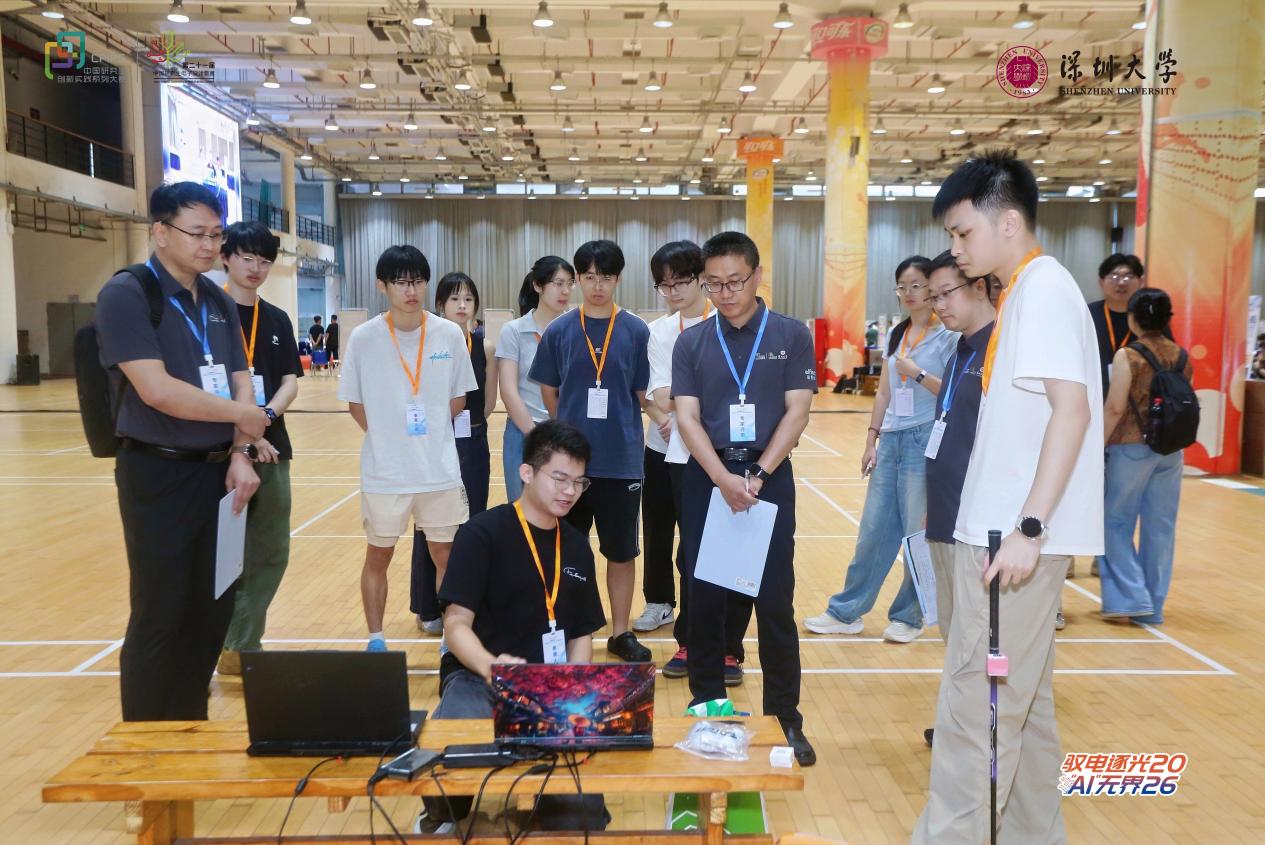
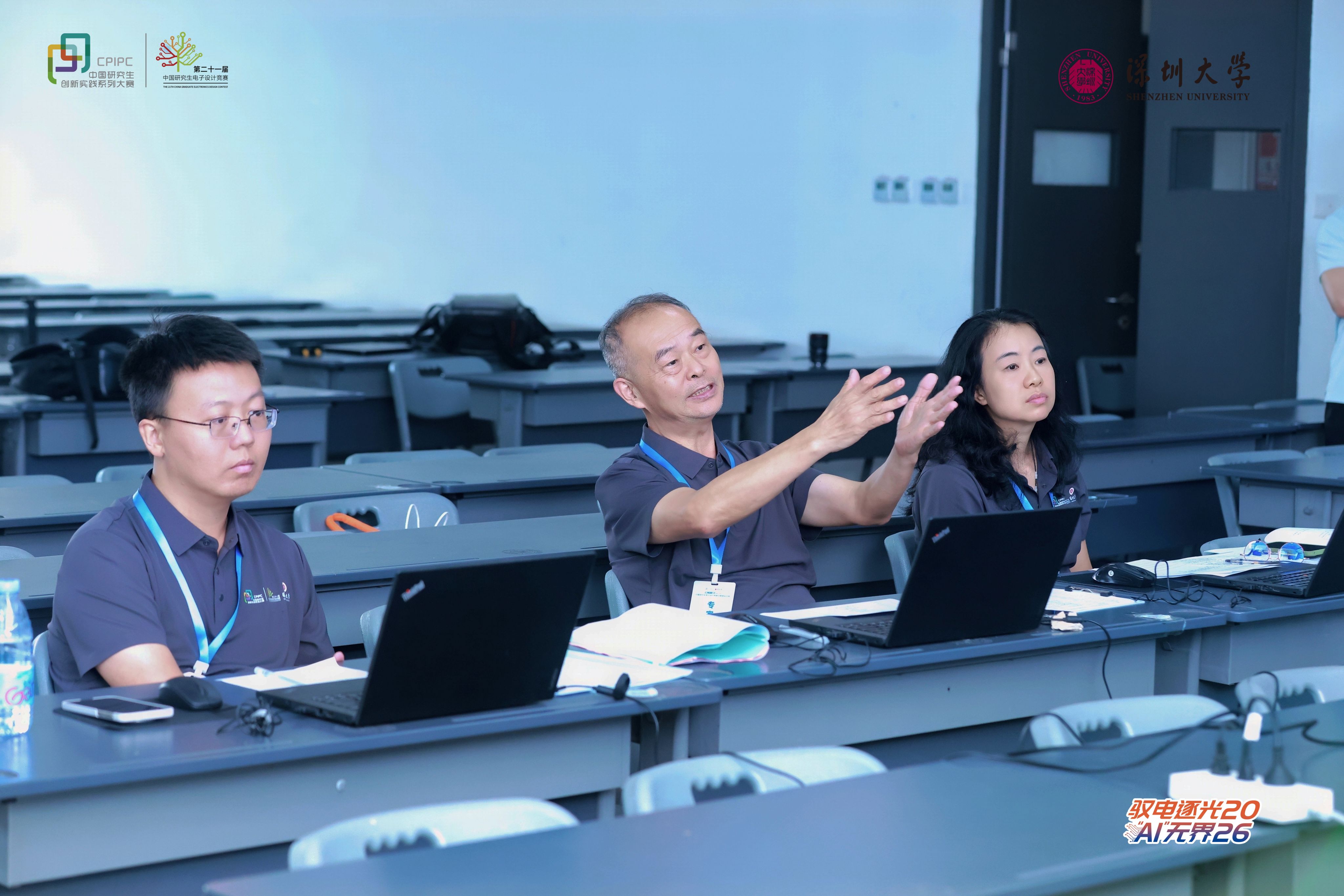
During the group presentation and defense sessions, participating teams gave detailed accounts of their project concepts, technological innovations, implementation of core technologies, application scenarios, and future development plans, while responding to questions raised by the judging panel. Drawing on advances at the forefront of their respective disciplines and current industry needs, the judges provided constructive feedback on the projects, recognizing their innovative features and practical value while offering targeted recommendations for further improvement. Their guidance will support the teams in refining their projects and advancing their research and innovation efforts.

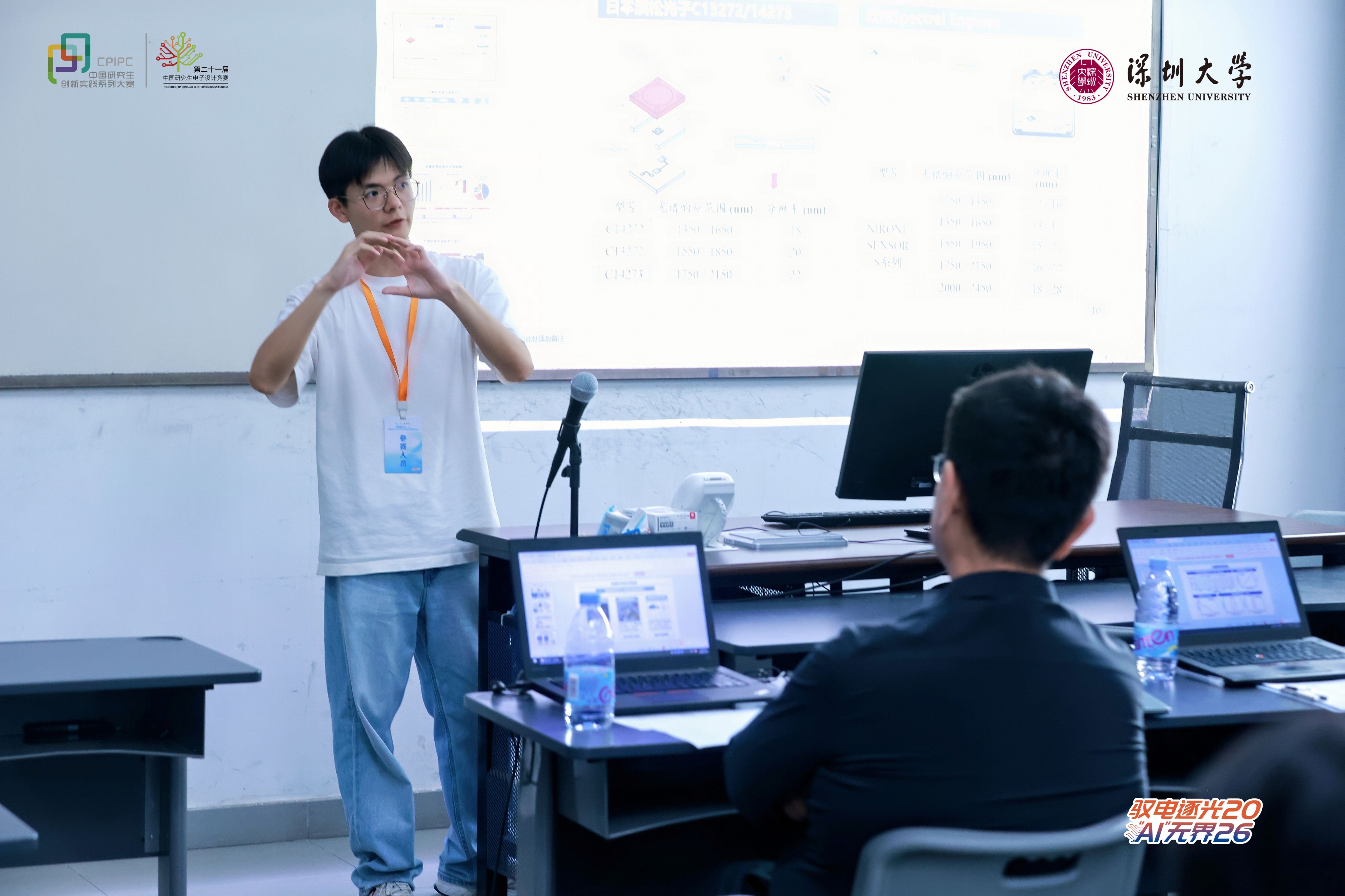
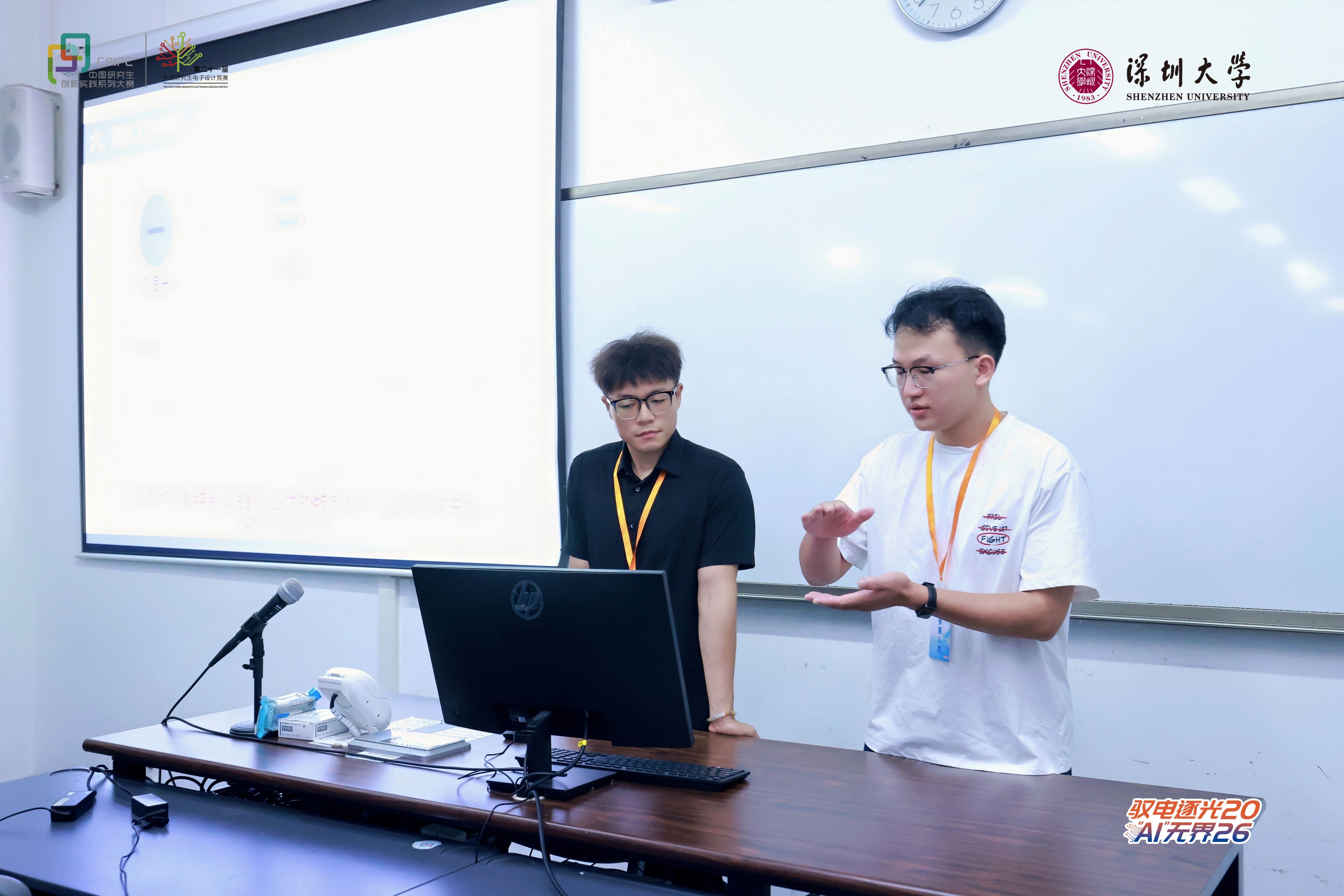
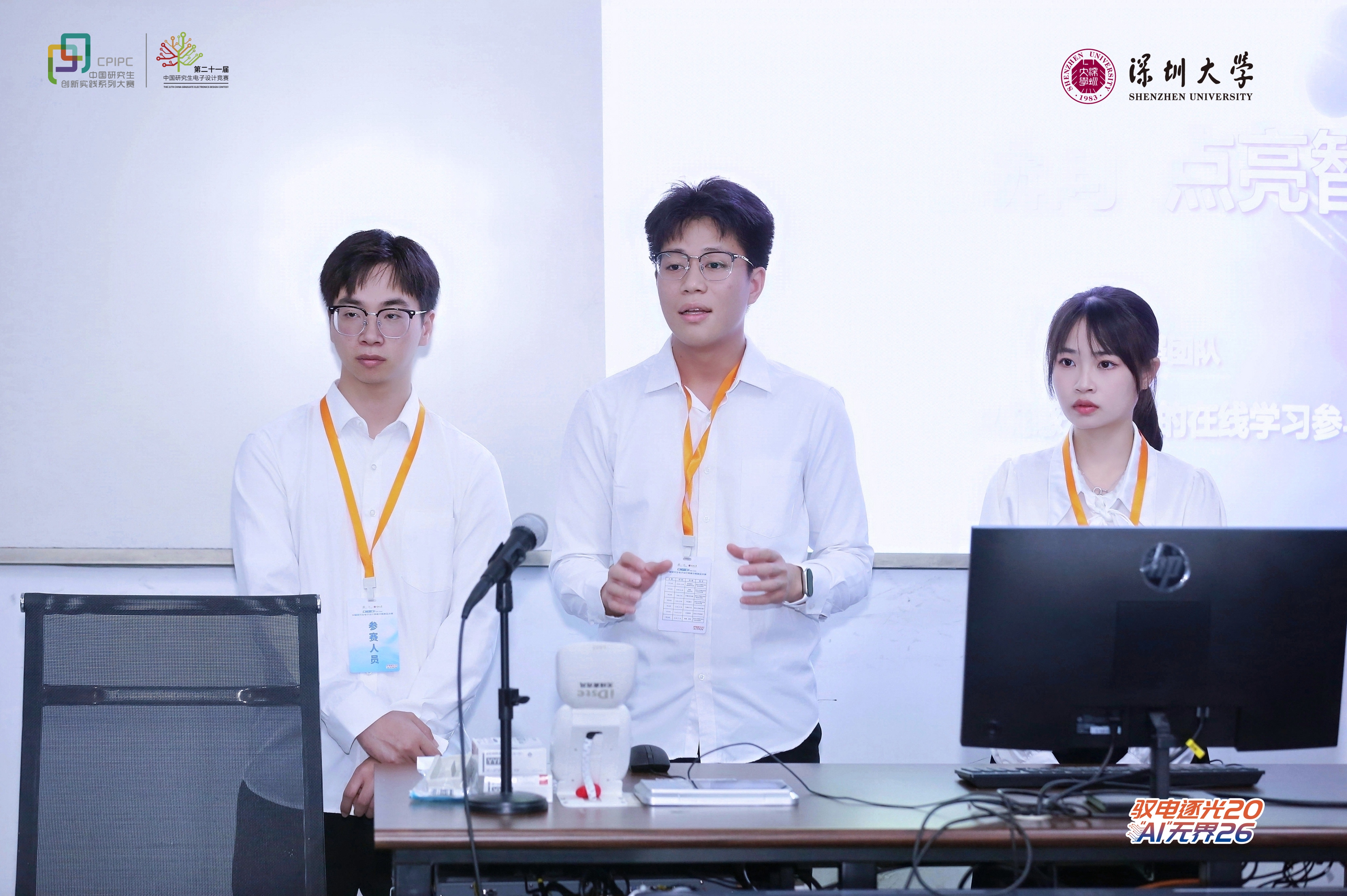

The successful hosting of the competition provided a comprehensive assessment of postgraduate students’ innovative and practical capabilities in electronic information across South China. It also established a platform for exchanges and collaboration among universities in the region and facilitated the sharing of experience in postgraduate education. Aligned with the strategic development of the Guangdong–Hong Kong–Macao Greater Bay Area, the competition promoted closer integration among education, talent development, and industry, and facilitated the effective alignment of university research achievements with industrial needs. It injected fresh momentum from young innovators into the high-quality development of the electronic information industry in the Greater Bay Area and provided strong support for building the region into a high-level talent hub.
As the host institution, Shenzhen University attached great importance to the organization of the competition. A dedicated leadership group was established to coordinate efforts across departments, with meticulous arrangements made for event preparation, on-site organization, and logistical support. These efforts ensured that the competition was conducted in a standardized, orderly, and efficient manner and earned recognition from participating faculty members, students, and expert judges. Looking ahead, Shenzhen University will take the competition as an opportunity to respond to the development needs of the Guangdong–Hong Kong–Macao Greater Bay Area and the Shenzhen Pilot Demonstration Area. The University will continue to improve its model for cultivating innovative talent in electronic information, deepen the integration of education with scientific research and industry, and establish more platforms for research innovation and the commercialization of research achievements. Through these efforts, Shenzhen University will support the growth of young science and technology professionals and contribute its expertise and strength to the innovative development of the Greater Bay Area’s electronic information industry and to China’s efforts to build greater strength in science and technology.